Free deliveries for orders over £50
 info@agx-nordic.co.uk
 07709 389021


What is mould and how does it grow
Mould is a type of fungus that thrives in damp, dark and poorly ventilated environments. It reproduces by releasing microscopic spores into the air that settle on moist surfaces, where they form new colonies.
Mould feeds on organic materials such as wood, plaster, textiles and paper. When moisture and humidity are present, the mould develops through branching filaments called hyphae, which together form the fungal network known as mycelium.
Common indoor species include black mould (Stachybotrys chartarum), white mould and red mould, all of which can spread rapidly under the right conditions. While not every mould species is toxic, none should be ignored since long-term exposure can harm indoor air quality and materials.
If you suspect growth in your home, we recommend performing a mould test to identify the type and extent of contamination.
Types of mould
There are many types of mould that can develop indoors, each with different characteristics and levels of risk. Understanding the most common ones can help you identify them early and take appropriate action.
Black mould (Stachybotrys chartarum): This type is one of the most well-known and potentially dangerous moulds found indoors. It thrives in damp areas such as bathrooms, basements and around leaks, appearing as dark or black patches. Prolonged exposure can cause allergic reactions, respiratory problems and fatigue.
White mould: Typically white or light grey, this mould can grow on walls, furniture, fabrics and wooden surfaces. It often spreads unnoticed and may look powdery or fluffy in texture.
Red mould: Recognised by its red, pink or orange hues, this mould often grows in damp, poorly ventilated areas like bathrooms, kitchens and basements. It can cause allergic reactions and damage materials if left untreated.
Green mould: Often found on food, walls and bathroom surfaces, this mould is common but still problematic. It can trigger allergies and produce unpleasant odours, especially in humid spaces.
Other less common variations include pink, orange and yellow mould, which are typically colour variations of red or white mould appearing in damp bathrooms or kitchens.
By learning to recognise the appearance and conditions of these mould types, you can take faster action to remove and prevent them.

How mould spreads indoors
Mould spores behave much like pollen, travelling easily through the air and settling on surfaces where humidity is high. Indoors, spores can circulate through ventilation systems or attach to fabrics and dust particles.
Outdoor mould levels vary by season, peaking in spring and summer when conditions are warm and humid. Indoors, mould can grow all year if moisture problems remain unresolved or ventilation is insufficient. Regular cleaning, good airflow and dehumidifiers help reduce spore concentration and limit spread.
Common areas where mould appears
Mould usually develops where moisture accumulates. Typical problem areas include:
- Bathrooms and showers
- Basements and crawl spaces
- Behind wallpaper or tiles
- Around windows or roof leaks
- Inside wardrobes or storage areas
Signs of mould include a musty smell, peeling wallpaper or bubbling paint, and visible black, green or white spots on walls, ceilings or furniture. Mould may also appear under carpets or behind heavy furniture.
For more detailed information about specific species, visit our mould encyclopedia.

Health risks and symptoms of mould exposure
Mould produces allergens, irritants and sometimes toxic substances known as mycotoxins. Inhaling or touching mould spores can cause health problems, especially for children, the elderly and those with asthma or weakened immune systems.
Typical symptoms of mould exposure include nasal congestion, coughing, eye irritation, headaches, fatigue and skin rashes. Long-term exposure can lead to respiratory infections or chronic bronchitis. Black mould is particularly concerning because it can release higher levels of mycotoxins that affect air quality and lung health.
If you experience any of these symptoms, consult a medical professional and inspect your home for possible contamination.
How to identify and test for mould
Mould is often visible, but it can also hide behind walls or under floors. A distinct musty smell is one of the earliest signs of mould.
To confirm whether mould is present and determine the type, use a mould test. These tests provide quick and reliable results, helping you take the right steps for safe removal and prevention. Early detection is key to avoiding larger infestations.
How to remove mould safely
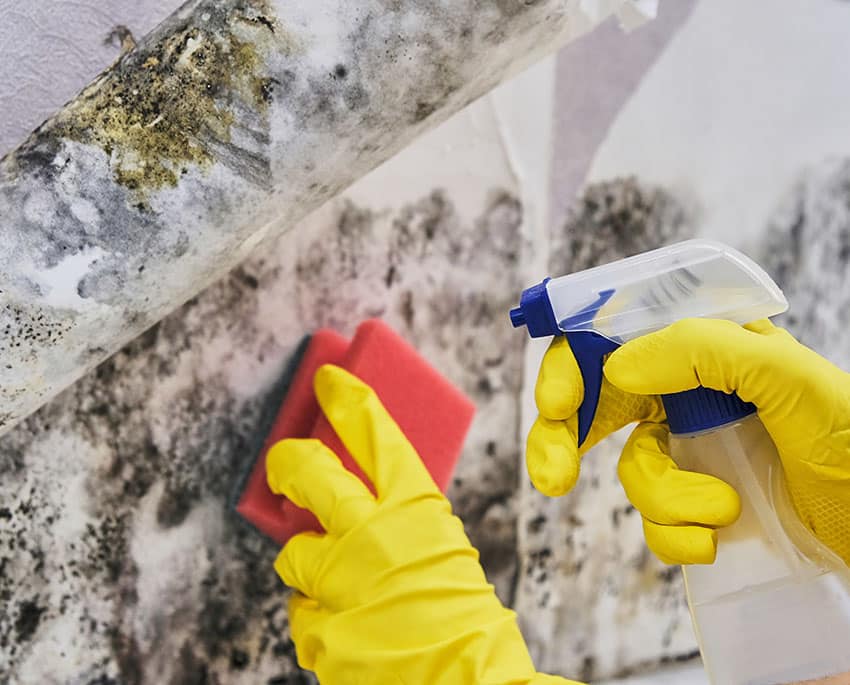
For small, visible patches of mould, you can often clean them yourself. Start by applying a mild detergent or a solution of vinegar and water to the affected surface. Wipe thoroughly and ensure the area is completely dry afterwards. Always wear gloves and a mask to avoid contact with spores.
Avoid dry brushing or vacuuming mould, as this can spread spores through the air.
If the problem is extensive, keeps returning, or affects hidden areas such as insulation or walls, professional mould remediation may be required. A specialist can assess the extent of contamination, treat the affected area and prevent regrowth.
For more detailed guidance, see our page on how to remove mould.
How to prevent mould growth
Prevention is the most effective way to maintain a mould-free home. Keep humidity below 60 percent, ensure good airflow and address water leaks promptly.
Here are a few key prevention tips:
- Air out rooms regularly and open windows after cooking or showering.
- Use extractor fans in bathrooms and kitchens.
- Dry wet areas immediately and avoid leaving damp laundry indoors.
- Use hygrometers and moisture meters to monitor humidity levels.
- Keep furniture slightly away from walls to allow airflow.
- Repair roof leaks and seal window gaps.
Following these steps helps maintain healthy indoor air and protects your home from future growth. For more advice, visit preventing mould.
Buy a mould test
View all our products-
Surface mould test (min order 2)
The professional PRO-Clean enzyme test will give you a quick mould screening in just 5 minutes. The test works by measuring the protein in the mould. Contact us for discounts on larger quantities.15.00 £ -
Mould air test
If you suspect hidden mould growth, it is a good idea to perform a mould air test. Mould can thrive in concealed places behind panels, walls, and other hidden areas. NB! The test should be used as soon as possible after receipt, as it has a limited shelf life.33.99 £ -
Surface and air mould test bundle
Test for both visible, surface mould and invisible, hidden mould with this test kit. The Pro-Clean surface test pens will indicate if any visible mould is a problem and the air test plate will after 4 days show if there were an excessive amount of mould spores picked up from the air.59.99 £ -
Sale!
Sale!
Mould test kit
Test your air for mould and keep an eye on the humidity levels in your home with our promotional bundle.Original price was: 39.98 £.34.99 £Current price is: 34.99 £. -
DNA mould test
This test goes a step further than the mould air test with a lab report. By analysing the mould spores to a DNA level, different species can be identified and the report will specify up to 21 different species and how many were present in the sample. This is the most precise mould spore test on the market, using much more advanced scientific equipment to give you an insight into which spores are present in your indoor air.240.00 £