Free deliveries for orders over £50
 info@agx-nordic.co.uk
 07709 389021

Can only be identified by testing
Radon is a colourless, odourless gas that can pose serious health risks when present in high levels indoors. It is naturally produced as uranium in the ground breaks down, and it can find its way into buildings via the soil, building materials, or even mains water. Since radon cannot be detected by human senses, the only dependable way to identify its presence is by testing its levels.
There are certain times when checking for radon is especially important. Purchasing a property, renovating, and making changes to ventilation systems are a few key examples. In addition, old measurement results may no longer be reliable. A certified test can help prevent long-term exposure, which significantly raises the likelihood of developing lung cancer.
Below are five situations when radon testing becomes particularly important:

1. When purchasing a property – avoid unexpected issues
Buying a home is a major financial decision, and it’s essential to test for radon during this process. There might be older test results available, but if they date back several years or if the property has been altered since, conducting a new test is advisable.
Tip: Conduct a short-term test before completing the purchase to inform potential negotiations, but always follow up with a long-term test (a minimum of 90 days).
2. During home renovations
Significant building work — especially involving basements, flooring, walls, or ventilation — can influence how radon enters and circulates within a home. A floor that was once sealed may now allow radon in, and changes to airflow may create negative pressure that draws in more gas from the ground.
Recommendation: Carry out radon measurements both before and after renovation to ensure that changes haven’t increased radon levels.
3. Time for a retest?
Radon levels are not fixed! They can vary over time due to ageing materials, changes in soil conditions, or updates to ventilation systems.
If it’s been between two and five years since the last test, it’s time to carry out a new one. Especially in homes where people spend a lot of time indoors.
4. Nearby properties show high radon
If homes in your area have tested for elevated radon, it could suggest your own risk is higher. However, low radon levels in neighbouring homes don’t guarantee your home is safe.
Differences in building materials and airtightness mean each property can vary significantly. Whether neighbours report high or low radon, the safest approach is always to test your own property.

5. After installing or adjusting a ventilation system
Ventilation plays a key role in determining indoor radon levels. If you’ve fitted a new ventilation system, changed airflows, or replaced natural ventilation with a mechanical one, the building’s internal pressure balance may shift.
This could either reduce or increase radon levels, particularly in lower parts of the home. Testing after such changes helps ensure levels remain safe.
A wise choice for long-term health
Testing for radon is straightforward, yet vital in safeguarding the health of household occupants. Whether you’ve recently moved, completed renovations, or simply want peace of mind, there are numerous occasions when a new radon test makes sense.
For the most accurate readings, carry out a long-term test (a minimum of 90 days). Short-term testing can also be helpful when time is a factor, such as during property transactions.
Measure the radon concentration
View all our products-
Radon measurement (min 2 detectors)
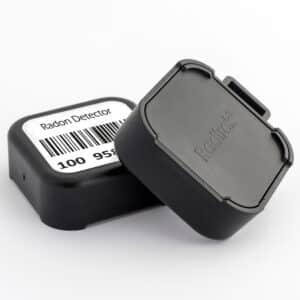
These UKHSA approved radon measurement kits provide you with the recommended 90 day radon gas measurement and report containing the seasonally adjusted average. We only supply measurement detectors from a UKHSA approved and also ISO accredited laboratory. A kit contains minimum 2 detectors, to be placed in the two most used rooms (typically bedroom and living room/kitchen).55.00 £ -
Radon screening test (min 2)
UKHSA recommends a measurement period of 3 months for radon gas but with our screening test, you'll get an indication of whether you may have too high a level of radon in just 10 days. We offer the only ISO accredited short term test on the market.85.00 £