Free deliveries for orders over £50
 info@agx-nordic.co.uk
 07709 389021
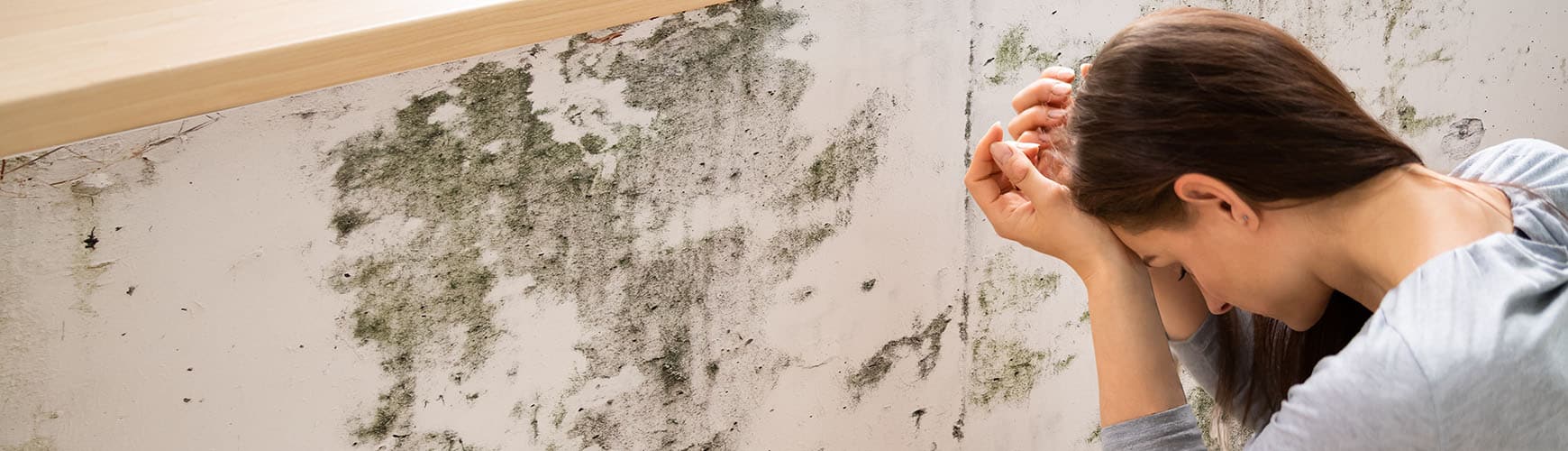
How black mould develops
Black mould thrives in damp environments such as basements, attics, and wet rooms. Black mould often occurs in bathrooms, kitchens, basements, attics, and silicone and tile grouts. If the moisture level in the property is high, black mould can also grow on wallpaper, facades, and walls.
Black mould most commonly develops as a result of water and moisture damage or in rooms with specific temperature and light conditions, often in places that are difficult to inspect. Such areas might include spaces around drains, washing machines, or sinks.

How to tell if you have mould
Sometimes it can be difficult to be certain whether you have mould in your home. This is due in part to mould infestations not always being visible, and mould doesn’t always have a bad smell.
However, mould is often visible as small brown, green, yellow, white, or black spots on surfaces and emits a distinct unpleasant odour. Mould can also cause uncomfortable allergic symptoms. To determine if you have mould at home, you can order a do-it-yourself test on our website.
Today, there are various types of mould tests available on the market that quickly and easily provide you with answers as to whether you have mould in your house or apartment.
If you can see signs of mould with the naked eye, a surface test is recommended where you take a sample from the affected area. If you can’t see signs of mould but can smell it or are bothered by mould-related symptoms, a more advanced air test or DNA analysis is advised. With these, you can test for hidden mould infestations in indoor air.
These mould tests can also provide you with answers about the type of mould, how dangerous it is, and the extent of the infestation.
How to tell if you have black mould
Black mould typically appears as areas with black discoloration or small dark spots. To be completely certain about the type of mould you are dealing with, it is advisable to use a mould test before treating the area.
A mould test can provide answers about the type of mould present in the area and the severity of the infestation. A mould test is the best method to uncover hidden or visible black mould infestations in your home.
Using a mould test can help you detect black mould early, preventing it from developing to cause a health risk or significant damage to your home.

Check for black mould yourself
It is easy to check if you have black mould in your home on your own. Paying professionals to come for a home visit is not necessary. However, it might be wise to seek expert assistance to analyse the results of the mould test.
On our website, you can choose the mould test that suits you and your needs best and decide whether you want to analyse the results yourself or get help from us. After you have selected and ordered the test, it will be delivered to your home. Then you can quickly and easily carry out the test yourself.
All our tests come with detailed instructions and are easy to use.
How to test for mould in a house or apartment
Today, there are several options for testing mould on the market, with tests available in various price ranges. You can choose whether to test for mould on a specific surface, in the air, or in dust.
The more advanced mould tests can also detect hidden mould.
How to measure mould in the air
Measuring the presence of mould in the air is not difficult. You can test for mould spores in the air yourself using a mould air test.
This type of mould test checks for both hidden and visible mould infestations. The air test comes in the form of a petri dish where any mould spores settle into the petri dish’s growth medium.
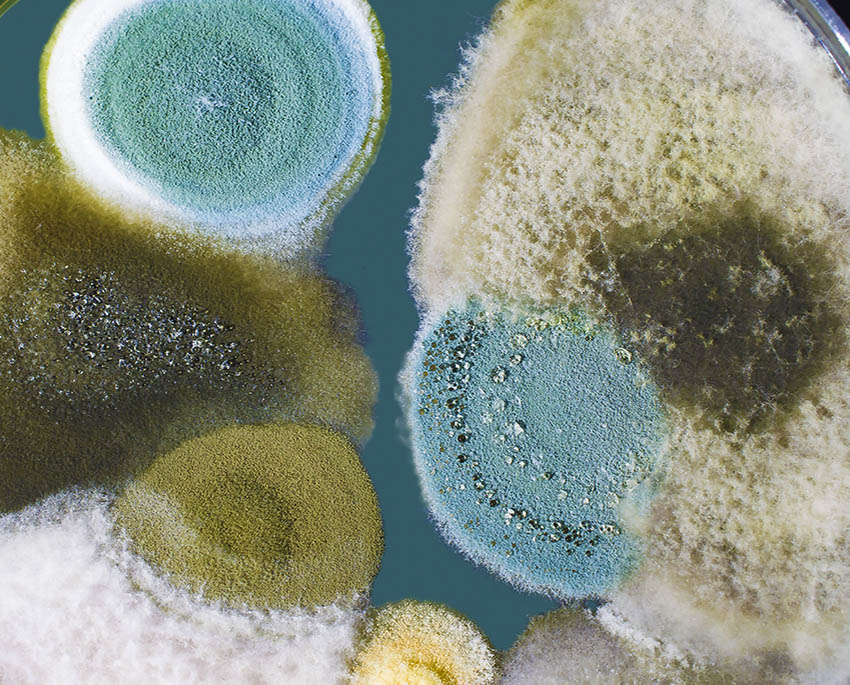
How to conduct a mould test
Carrying out a mould test is very straightforward. You simply follow the instructions provided in the mould test kit. The process of conducting a mould test varies depending on the type of test you are using to measure mould presence.
For instance, measuring mould in the air can be done with an air test. Inexpensive surface tests involve swabbing a cotton swab over the affected area. You can learn more about our various mould test options here.
How much does a mould test cost?
The prices of mould tests vary depending on their features and accuracy. You can see the cost of each individual mould test on our website. Free shipping is always included!
Inexpensive mould tests often provide a quick answer about whether you have mould in your home or not. More professional mould tests offer information about the specific type of mould present in an area and the severity of the mould infestation.
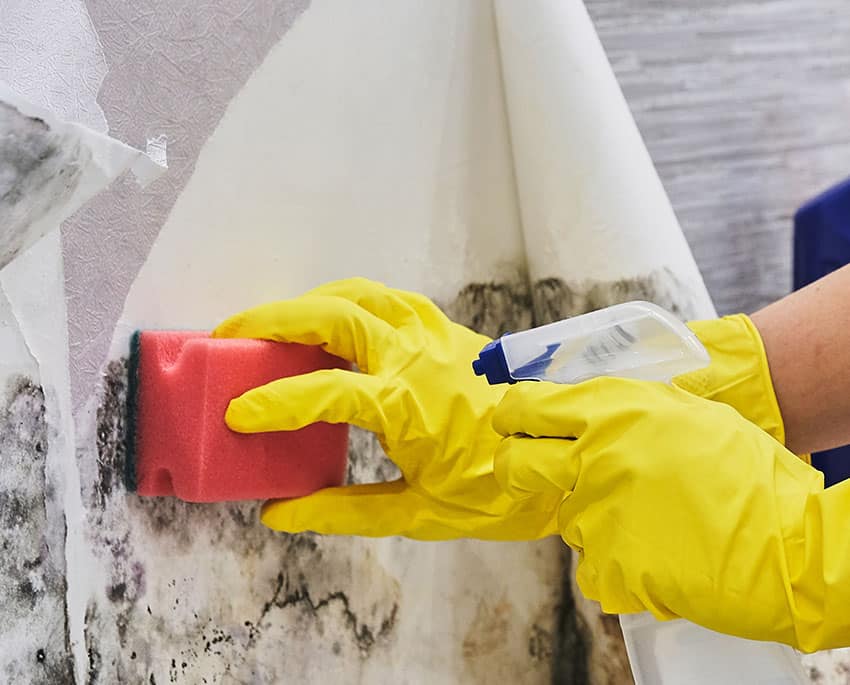
How to remove mould
There are several different methods you can use to remove mould. The range of products available for mould removal in kitchens, bathrooms, or showers is extensive. Many also recommend removing mould with common products like citric acid, bleach, vinegar, or baking soda.
- Vinegar is an effective agent for cleaning away mould. You mix vinegar with water and spray it on the affected area. The same method also works with citric acid.
- Baking soda can also be used to get rid of mould. Here, baking soda is mixed with water to create a soft paste that is then spread onto the relevant area.
- Bleach can be used to remove mould from certain surfaces, such as bathroom tiles, but it is not effective in eliminating the root cause of the mould infestation itself. Bleach should also not be used to remove black mould from porous surfaces like wood.
Some believe that simply painting over mould will make it disappear, which is not accurate. It is essential to identify the cause of the mould infestation and remove that cause to prevent future growth.
Perhaps the ventilation in the bathroom is poor? Could an old water leak be the reason? How is the indoor climate?
Thoroughly examine your home and find the cause to achieve a long-term solution. You might consider seeking help from professionals if you discover moisture damage, or you might invest in a dehumidifier if the humidity level is too high.
Black mould can be dangerous
Black mould can harm both your health and your home. It can corrode and discolour the surfaces where it grows. You and the people around you can become ill from black mould.
Issues that can arise include asthmatic attacks and allergies. That’ is why black mould should be identified promptly and then removed. Precautions during the decontamination proces should also be taken.
What about black mould when you are pregnant? Avoid mould as much as possible to protect your own health and the health of your foetus.

Symptoms that can result from mould exposure
Symptoms such as fatigue, headaches, and other allergic reactions are common issues among people living in environments with a lot of mould. Those who continuously inhale mould spores may experience severe symptoms like difficulty breathing or they could develop chronic diseases like asthma.
These side effects can occur in both humans and animals and so the importance of testing for and removing any mould in the home cannot be emphasiszed enough.
Many wonder what happens if you eat mould. It is crucial to distinguish between different types of mould. The type of mould found in, for example, blue cheese is not harmful. However, other food that has been affected by or in contact with mould in the refrigerator should be discarded.
Buy a mould test
View all our products-
Surface mould test (min order 2)
The professional PRO-Clean enzyme test will give you a quick mould screening in just 5 minutes. The test works by measuring the protein in the mould. Contact us for discounts on larger quantities.15.00 £ -
Mould air test
If you suspect hidden mould growth, it is a good idea to perform a mould air test. Mould can thrive in concealed places behind panels, walls, and other hidden areas. NB! The test should be used as soon as possible after receipt, as it has a limited shelf life.33.99 £ -
Surface and air mould test bundle
Test for both visible, surface mould and invisible, hidden mould with this test kit. The Pro-Clean surface test pens will indicate if any visible mould is a problem and the air test plate will after 4 days show if there were an excessive amount of mould spores picked up from the air.59.99 £ -
Sale!
Sale!
Mould test kit
Test your air for mould and keep an eye on the humidity levels in your home with our promotional bundle.Original price was: 39.98 £.34.99 £Current price is: 34.99 £. -
DNA mould test
This test goes a step further than the mould air test with a lab report. By analysing the mould spores to a DNA level, different species can be identified and the report will specify up to 21 different species and how many were present in the sample. This is the most precise mould spore test on the market, using much more advanced scientific equipment to give you an insight into which spores are present in your indoor air.240.00 £