Free deliveries for orders over £50
 info@agx-nordic.co.uk
 07709 389021
Naturally occurring in the ground
Radon is an invisible and odourless radioactive gas that occurs naturally in the ground as uranium and radium break down in soil and rock. Radon enters homes primarily from the ground through cracks, joints and small openings in foundations and floors.
Homes with basements or ground-floor rooms in direct contact with the soil are particularly at risk. Local geology also plays a role, meaning radon levels can vary significantly from one property to another, even within the same area.
Long-term exposure to elevated radon levels increases the risk of lung cancer. Because radon cannot be detected by human senses, radon testing is essential to understand whether your home is affected and whether action is required.
Signs of elevated radon levels in the home
Radon has no immediate smell or visible warning signs, but certain indicators may suggest elevated levels indoors:
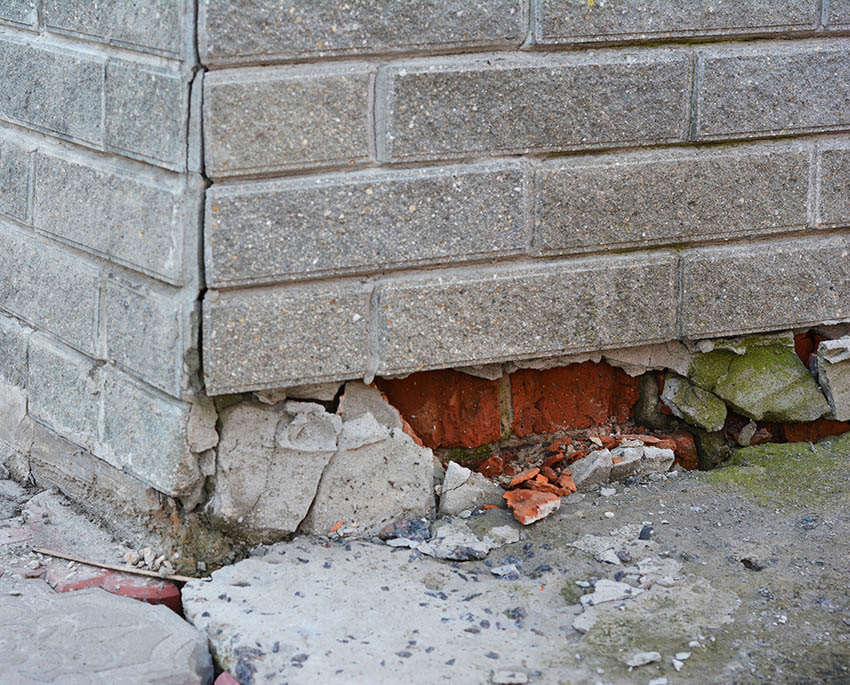
- Changes to the building: Cracks in floors or walls, especially in basements or ground-floor rooms, can allow radon to enter.
- Poor indoor air quality: Stale or musty air may indicate limited ventilation, which can allow radon to accumulate.
- Health-related symptoms: Persistent headaches, breathing difficulties or other symptoms associated with poor indoor air quality may be linked to radon exposure.
Because these signs are not specific to radon, the only reliable way to confirm elevated levels is to measure them using radon detectors.
Radon levels and health risks in the home
Long-term exposure to radon increases the risk of lung cancer. In the UK, radon is recognised as one of the leading causes of lung cancer after smoking. Because radon gas is invisible and odourless, exposure can occur without occupants being aware of it.
The health risk depends on the concentration of radon in indoor air and the length of exposure. Higher levels over longer periods significantly increase the likelihood of serious health effects.
Smoking greatly amplifies the risk, as radon and tobacco smoke together place additional strain on lung tissue. This combined exposure is far more harmful than either factor alone.
Radon causes harm when radioactive decay products are inhaled and lodge in the lungs, where they emit radiation over time. Because early radon symptoms often develop slowly, elevated radon levels can remain unnoticed for years without testing.
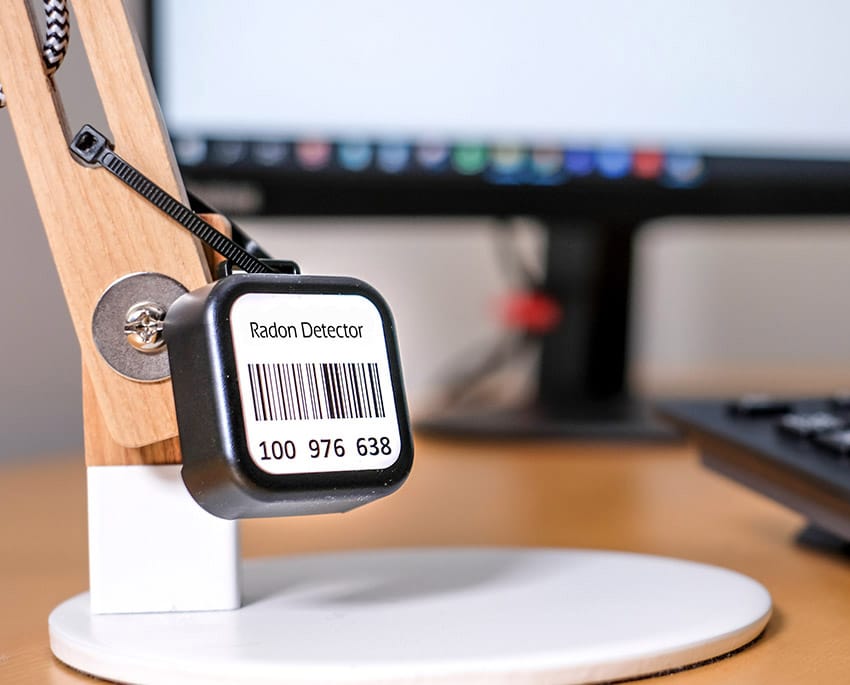
How to measure radon in your home
The only way to determine whether radon levels in your home are too high is to carry out a radon test. Measurements are most reliable when carried out during the heating season, typically from October to April, when buildings are more closed and ventilation is reduced.
There are two main testing options:
- Long-term radon measurement: The recommended method for assessing radon in homes. A passive radon detector is placed in frequently used rooms for a minimum of 3 months to calculate an annual average radon level.
- Short-term screening: If faster results are needed, for example when buying or selling a property, a radon screening test can provide an initial indication of radon levels over a shorter period.
Understanding when to test for radon is just as important as choosing the right test, as timing affects how representative the results are.
How to reduce radon levels in the home
If radon levels are found to be above recommended limits, there are effective measures that can reduce exposure:
- Seal gaps and cracks: Close openings in floors, foundations and around service pipes to limit radon entry.
- Improve ventilation: Increased airflow helps dilute radon and reduce indoor concentrations.
- Radon extraction systems: For higher radon levels, systems such as radon sumps or mechanical ventilation may be required.
- Building adjustments: In some cases, improvements to underfloor ventilation or ground sealing may be necessary.
After mitigation, follow-up radon testing should always be carried out to confirm that levels have been reduced.
Measure the radon concentration
View all our products-
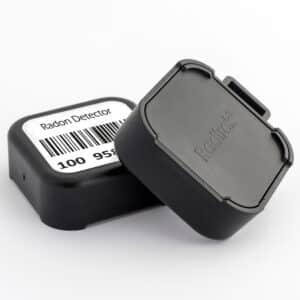
Radon measurement (min 2 detectors)
These UKHSA approved radon measurement kits provide you with the recommended 90 day radon gas measurement and report containing the seasonally adjusted average. We only supply measurement detectors from a UKHSA approved and also ISO accredited laboratory. A kit contains minimum 2 detectors, to be placed in the two most used rooms (typically bedroom and living room/kitchen).55.00 £ -
Radon screening test (min 2)
UKHSA recommends a measurement period of 3 months for radon gas but with our screening test, you'll get an indication of whether you may have too high a level of radon in just 10 days. We offer the only ISO accredited short term test on the market.85.00 £