Free deliveries for orders over £50
 info@agx-nordic.co.uk
 07709 389021
What is radon gas?
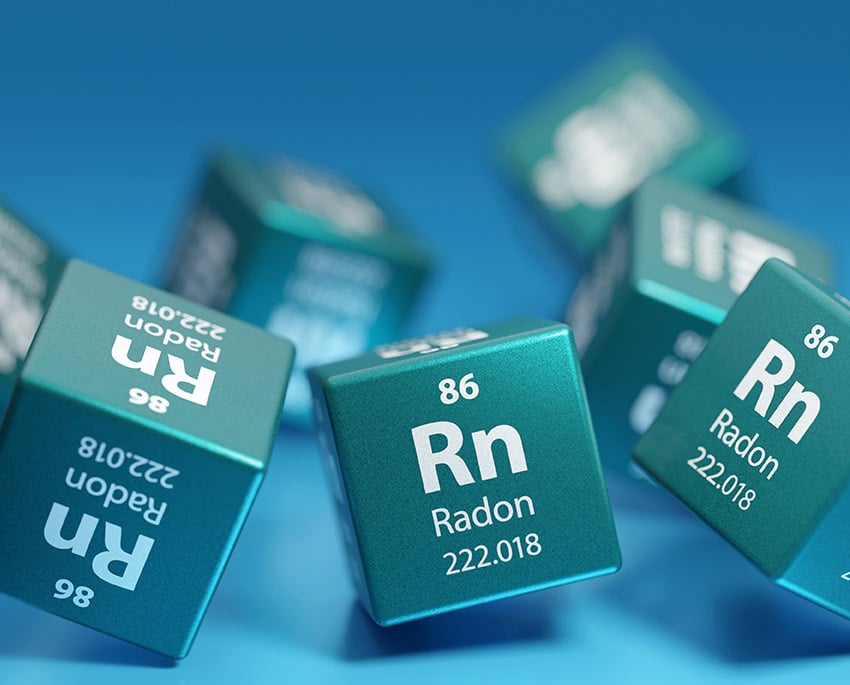
Radon gas is a naturally occurring radioactive gas that forms when uranium breaks down in soil and rock. It can enter buildings through cracks in floors, walls and foundations, where it may accumulate indoors.
Because radon is invisible and odourless, it cannot be detected without testing. Homes in certain areas are more likely to have elevated radon levels, but any building in contact with the ground can be affected.
Radon and its impact on health
This radioactive gas is formed when uranium breaks down in the ground. The gas can enter buildings and be inhaled by occupants.
Long-term exposure to high radon levels can lead to lung cancer, making it vital to recognise and understand radon symptoms. This is why understanding when to test for radon is essential, especially since early symptoms can be subtle and easy to overlook.
Common radon symptoms
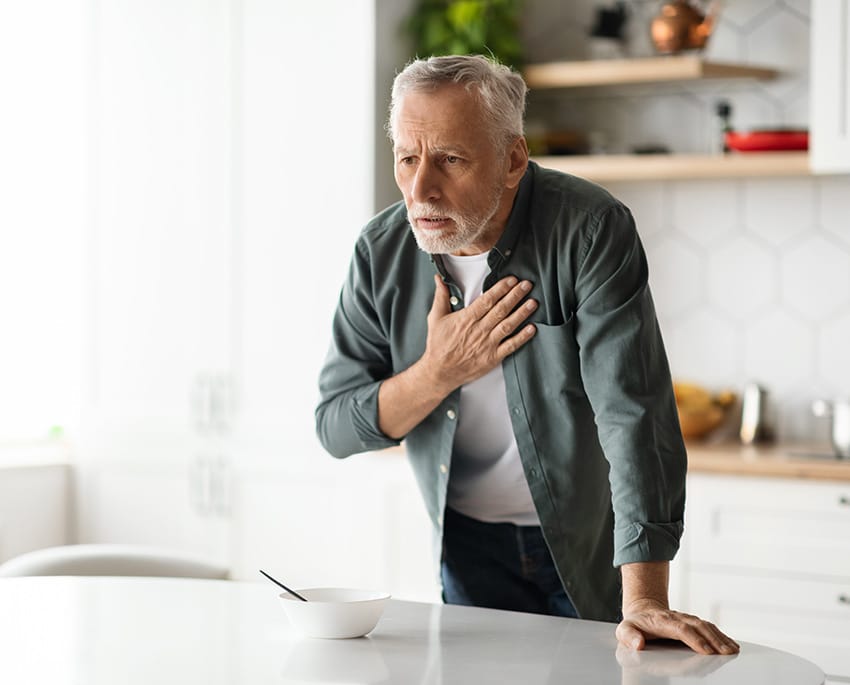
Radon symptoms can be subtle and easy to miss. Here are some of the most common signs that you may have been exposed to radon:
- Persistent cough: A cough that doesn’t go away, especially if it’s dry or bloody, can be a warning sign. If your cough lasts longer than usual or worsens over time, take it seriously and investigate possible causes, including radon exposure.
- Breathing difficulties: Shortness of breath, wheezing, or difficulty breathing can be symptoms of radon exposure. These symptoms may worsen with physical activity and affect your quality of life. If you experience breathing problems without an obvious cause, consider testing your home for radon.
- Chest pain: Pain or pressure in the chest is a serious symptom that should not be ignored. Chest pain can be a sign that the lungs are being affected by radon, and it’s important to seek medical advice if you experience this symptom.
- Frequent lung infections: Repeated pneumonia or bronchitis can be signs that radon is affecting the lungs. If you or someone in your home often gets respiratory infections, it may indicate high radon levels in your home.
- Fatigue: Unusual tiredness and general weakness can also be signs of long-term radon exposure. These symptoms can affect everyday life and overall wellbeing. If you feel tired and weak without an obvious reason, it may be worth checking the radon levels in your home.
Because these symptoms can also be linked to mould exposure, it is important to rule out other indoor air issues. Learn more about mould and how it may affect your health.
Radon symptoms in children
Symptoms of radon exposure in children can be difficult to identify, as they often resemble common childhood illnesses or allergies. Parents and caregivers should be especially alert to ongoing or unexplained symptoms, including:
- Asthma-like symptoms: More frequent asthma attacks or worsening asthma symptoms, even when existing treatment remains unchanged. Radon exposure may aggravate underlying respiratory conditions.
- Weight loss: Unintentional weight loss or reduced appetite without an obvious explanation can sometimes be linked to prolonged respiratory stress.
- Restless sleep: Sleep disturbances, difficulty sleeping through the night or unusual daytime tiredness may occur if breathing is affected during rest.
- Frequent respiratory infections: Repeated colds, bronchitis or chest infections may indicate that indoor air quality is impacting lung health.
Because symptoms in children can be subtle and develop gradually, radon exposure may go unnoticed for long periods. If symptoms persist or recur, it is important to investigate indoor air quality and consider radon testing to rule out environmental causes.

Radon and lung cancer
Radon exposure is strongly linked to an increased risk of lung cancer. Radon gas can build up indoors over time, and long-term exposure to elevated levels damages lung tissue when radioactive particles are inhaled.
The risk of developing lung cancer depends on both the concentration of radon in the air and how long a person is exposed. Higher radon levels and prolonged exposure significantly increase the likelihood of serious health effects. Smoking further amplifies this risk, as radon and tobacco smoke together place additional strain on the lungs.
Because <bradon is invisible and odourless, exposure often goes unnoticed for years. In many cases, early warning signs only appear once lung function is affected. This makes it especially important to recognise potential radon symptoms and to confirm exposure through radon testing before long-term damage occurs.
Prevention and radon testing
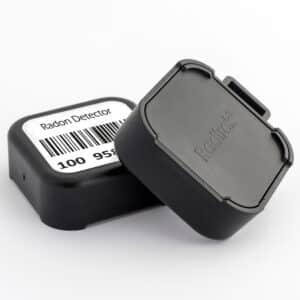
To reduce the risk of radon-related health issues, early detection and prevention are essential. Using reliable radon detectors allows you to measure indoor radon levels and identify potential problems before they affect your health.
Combined with simple preventive measures, regular radon testing helps you maintain a safer and healthier indoor environment. Here are a few tips:
- Test regularly: Use a short-term radon screening test or long-term passive radon detectors to get an accurate picture of radon levels in your home. Regular testing ensures you can take action quickly if radon levels rise.
- Improve ventilation: Increase airflow in basements and other at-risk areas to reduce radon concentrations. Good ventilation can help keep radon levels low and reduce exposure risk.
- Seal cracks and gaps: Seal cracks in the foundations and around pipe penetrations to help prevent radon from entering.
Radon and your health: take symptoms seriously
Ignoring radon symptoms can lead to serious health consequences. By staying alert to the signs and symptoms of radon exposure, you can take the necessary steps to protect yourself and your family.
Regular testing and preventative measures can minimise risk and help ensure a healthy indoor environment. If you suspect high radon levels in your home, act quickly and seek professional help to ensure a safe, healthy living environment.
Measure the radon concentration
View all our products-
Radon measurement (min 2 detectors)
These UKHSA approved radon measurement kits provide you with the recommended 90 day radon gas measurement and report containing the seasonally adjusted average. We only supply measurement detectors from a UKHSA approved and also ISO accredited laboratory. A kit contains minimum 2 detectors, to be placed in the two most used rooms (typically bedroom and living room/kitchen).55.00 £ -
Radon screening test (min 2)
UKHSA recommends a measurement period of 3 months for radon gas but with our screening test, you'll get an indication of whether you may have too high a level of radon in just 10 days. We offer the only ISO accredited short term test on the market.85.00 £