Free deliveries for orders over £50
 info@agx-nordic.co.uk
 07709 389021
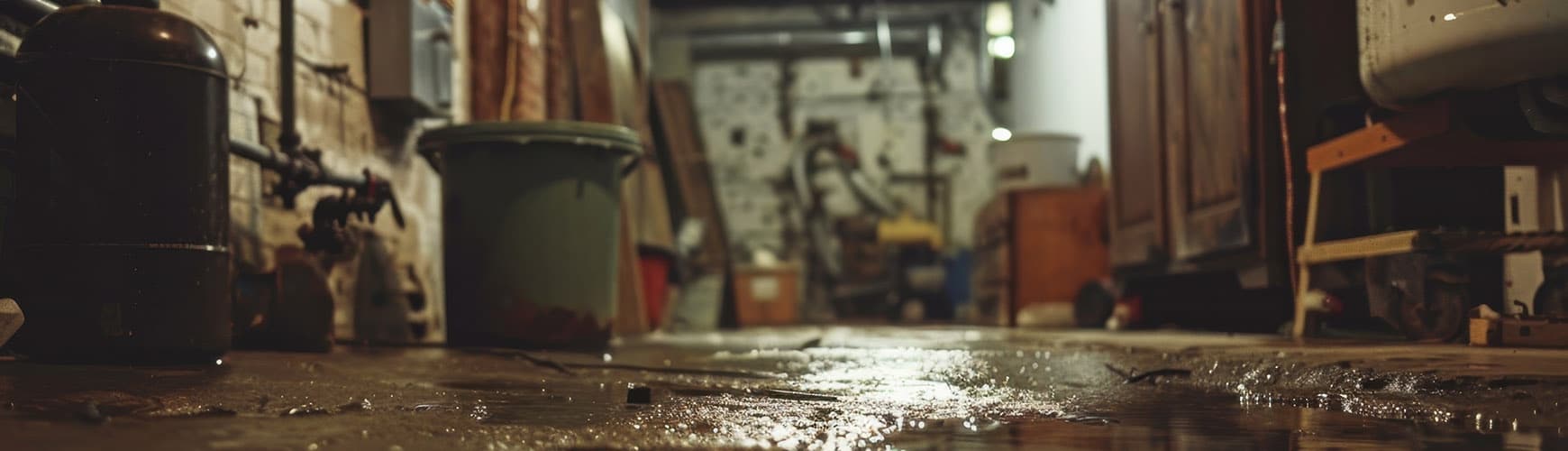
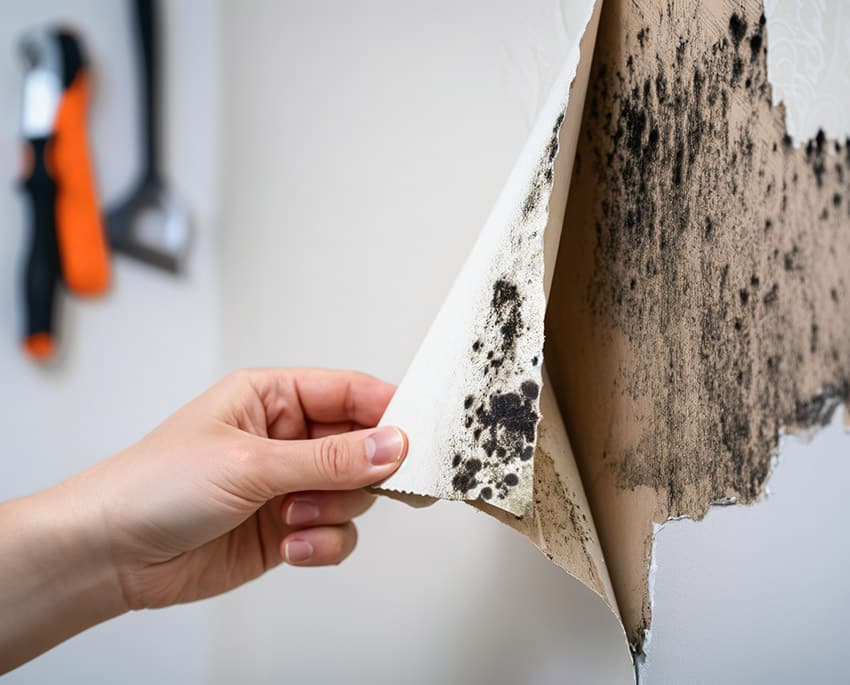
Problems with moisture in the basement should be taken seriously
A problem with moisture is not necessarily visible. However, there will often be visible signs that point to problems with moisture. For example, loose plaster and/or wallpaper, peeling paint, stains on floors/walls/ceilings and musty smells.
If there are problems with moisture in the house, it can lead to various other unpleasantnesses. Among other things, mould, which can affect our health, as well as other types of harmful fungi. For example, house and timber fungus, which can damage the building’s structure. In addition, house dust mites, which many people are allergic to, thrive in humid environments.
Since, as mentioned, there can be different reasons for challenges with moisture in a building, there are also many different solution options. It is therefore largely about finding the solution that ensures the optimal result, at the right price.
Moisture in basements
There can be many different causes of moisture in basements. Often it is due to rising or seeping groundwater, but it can also be due to condensation and thermal bridges. Or a combination of these causes.
If the moisture is pushed up through the floor, the floor is probably older and therefore not built according to the standards used today. For example, a concrete floor that is laid directly on the ground underneath.
To get rid of the moisture problem, it will usually be necessary to make a completely new floor construction that meets current building requirements. If it is a floor in a living room, it will be advantageous to install heating in the new floor at the same time.
The moisture problem can also be remedied with a so-called floor membrane, which is placed on the existing concrete floor. However, this solution is only applicable if there is or will be a wooden floor or similar laid over the concrete floor.
If there are problems with or risk of problems with elevated levels of radon in the building, the floor membrane can advantageously be a version that also protects against radon.
If the problems are due to moisture condensation, ventilation or active ventilation, such as single-room ventilation with heat recovery, is usually the best and most effective solution to eliminate the problem.
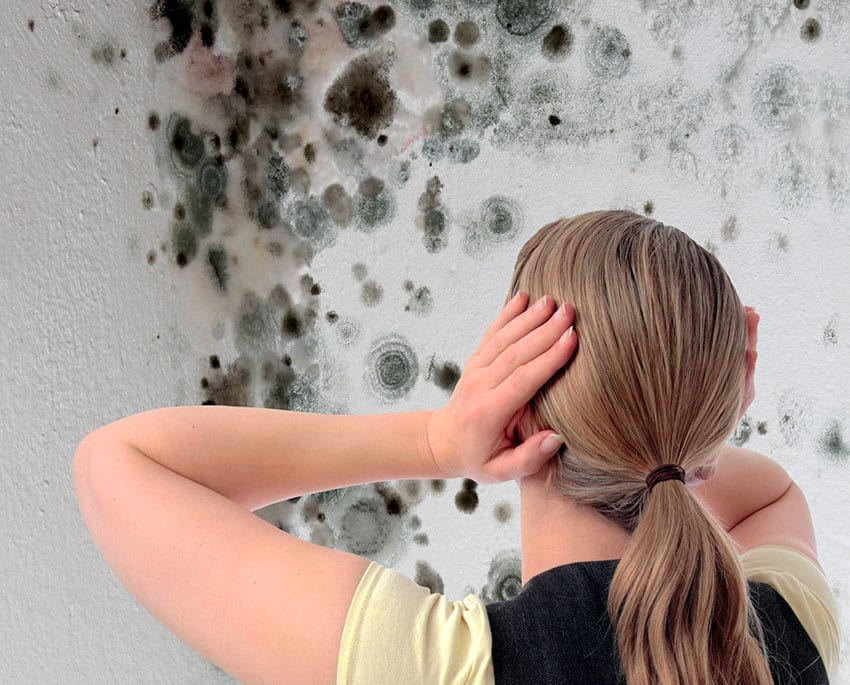
Moisture in basement walls
If you have problems with moisture in basement walls, you should first ensure that the walls can “breathe”. Therefore, there should be no interior cladding on the basement walls, and no plastic paint or other diffusion-permeable surface treatment should be used that can “encapsulate” the moisture inside.
For the interior surface treatment of basement walls, you should always choose diffusion-permeable materials. This can be, for example, so-called renovation plaster (special mortar) or silicate paint. This ensures that the walls can “breathe” and thus get rid of any moisture.
When the basement walls get air (can “breathe”), they can better get rid of any moisture to the surroundings. At the same time, it reduces the risk of the formation of, for example, mould quite considerably.

Basement moisture protection
If you have an older basement, moisture can be difficult to avoid. However, you can take various measures to get rid of or reduce moisture in your basement.
Before you start basement moisture protection, you should first make sure what the basement will be used for, so that the effort is commensurate with the yield. As long as moisture in the basement does not penetrate the beams in the floor separation or higher up in the house, the moisture is not directly harmful.
Ultimately, it is more a question of keeping the moisture under control. Therefore, you should first examine the basement for any problems with moisture and mould, and how large the extent may be, before you possibly initiate basement moisture protection.
You can therefore choose to have a professional investigation for moisture and mould carried out. Once you know the problem and its extent, you can find the best way or ways to tackle it.

Ventilation in the basement
Fresh air vents are usually enough to ensure good ventilation of basement rooms. On the other hand, you also throw warm air straight out of the air vents – and thus increase heating costs.
Therefore, it is advantageous to consider mechanical ventilation with heat recovery instead of fresh air vents to ensure good ventilation of the basement. This achieves an effective replacement of the “boring” air with fresh air from outside, without “burning the house sparrows”.
With a so-called heat recovery system, whether it is a central system or single-room solutions, you can utilize the existing heat to heat the fresh air that is blown in. A so-called heat exchanger in the ventilation system itself ensures this.
Single-room ventilation with heat recovery can be preferable in many cases. It is simple and relatively inexpensive to establish, and it also ensures that the ventilation of the basement can be easily adapted for each individual room.
Buy a hygrometer/moisture meter
View all our products-
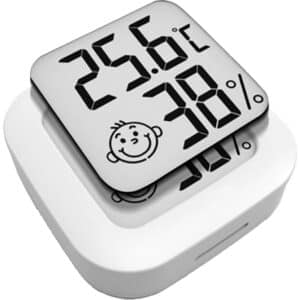
Mini moisture in the air meter
Super simple hygrometer in mini size. Displays both temperature and relative humidity. Includes a double-sided adhesive pad, so the moisture meter can be mounted on, for example, a cabinet door or a tile wall. Can also be placed on, for example, a shelf or a table.5.99 £ -
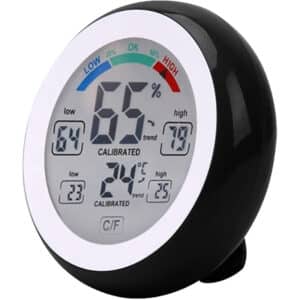
Measure humidity and temperature
Monitor relative humidity and temperature in your home or business with this simple hygrometer. Stylish design with a large, round screen. Can be hung on a wall or placed on a table. Relative humidity is measured in the range of 20-90% with an accuracy of ±5%. Temperature is measured in the range of 0-50 ℃ with an accuracy of ±1 ℃.12.99 £ -
Sale!
Sale!
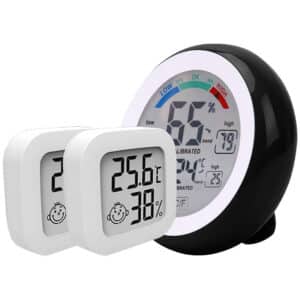
Humidity control pack
Monitor relative humidity and temperature in your home or business with this hygrometer pack. The pack contains 1 hygrometer with a large, round screen and two mini hygrometers, which can be placed on walls with stickers or via the magnet on the back on a fridge or freezer or stood on a table. Relative humidity is measured in the range of 20-90% with an accuracy of ±5%. Temperature is measured in the range of 0-50 ℃ with an accuracy of ±1 ℃.Original price was: 24.97 £.19.99 £Current price is: 19.99 £.