 Free deliveries for orders over £50
 info@agx-nordic.co.uk
 07709 389021

Buy a mould test
View all our products-
Surface mould test (min order 2)
The professional PRO-Clean enzyme test will give you a quick mould screening in just 5 minutes. The test works by measuring the protein in the mould. Contact us for discounts on larger quantities.15.00 £ -
Mould air test
If you suspect hidden mould growth, it is a good idea to perform a mould air test. Mould can thrive in concealed places behind panels, walls, and other hidden areas. NB! The test should be used as soon as possible after receipt, as it has a limited shelf life.33.99 £ -
Surface and air mould test bundle
Test for both visible, surface mould and invisible, hidden mould with this test kit. The Pro-Clean surface test pens will indicate if any visible mould is a problem and the air test plate will after 4 days show if there were an excessive amount of mould spores picked up from the air.59.99 £ -
Sale!
Sale!
Mould test kit
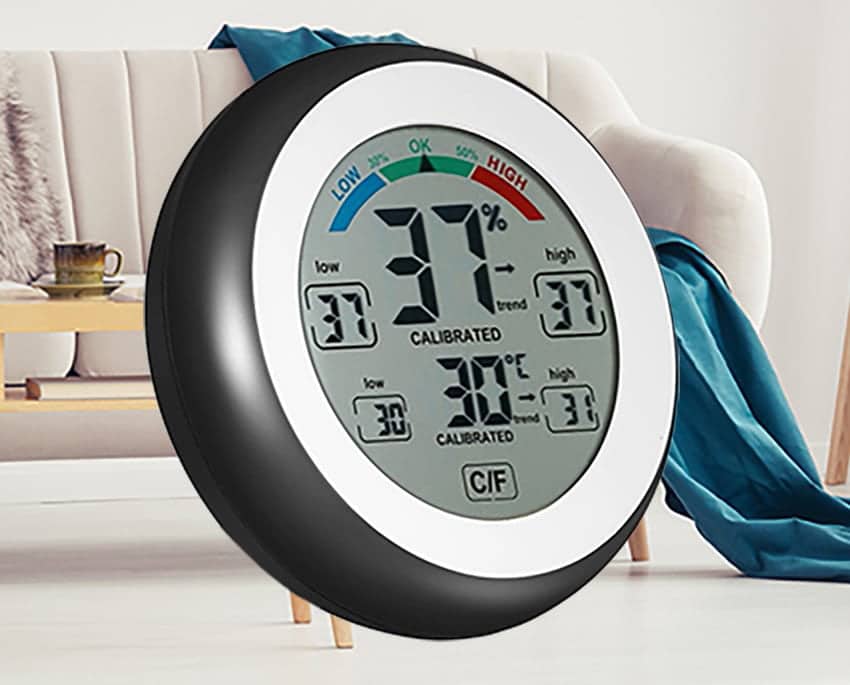
Test your air for mould and keep an eye on the humidity levels in your home with our promotional bundle.Original price was: 39.98 £.34.99 £Current price is: 34.99 £. -
DNA mould test
This test goes a step further than the mould air test with a lab report. By analysing the mould spores to a DNA level, different species can be identified and the report will specify up to 21 different species and how many were present in the sample. This is the most precise mould spore test on the market, using much more advanced scientific equipment to give you an insight into which spores are present in your indoor air.240.00 £






Ventilate to prevent mould
Proper ventilation is one of the most effective ways to prevent mould in your home. Mould thrives in damp, stagnant environments, so ensuring steady airflow reduces moisture build-up. Create a daily ventilation routine by opening windows and doors, even for a few minutes. This allows humid indoor air to escape and be replaced with fresh, dry outdoor air.
Pay extra attention to rooms with high humidity such as bathrooms, kitchens and laundry rooms and make sure to test using a mould test if you’re ever in doubt.
After taking a hot shower or cooking, moisture levels rise and can quickly lead to condensation. Use extractor fans to remove damp air and wipe away any visible moisture immediately.
Use the extractor fan while cooking to prevent mould growth
Cooking releases both moisture and grease particles, increasing indoor humidity. Using your cooker hood or extractor fan while cooking helps prevent mould growth by removing excess steam.
Turn on the fan as soon as you start cooking and let it run for several minutes after you finish to clear remaining moisture and smells. Keep the filter clean for optimal airflow, as blocked filters can reduce the fan’s ability to remove damp air effectively.
A strong and well-maintained extractor fan is key to controlling humidity and reducing the chance of mould forming on kitchen walls or ceilings.

Dry clothes outdoors to stop mould growth
Drying clothes indoors raises humidity and creates ideal conditions for mould. Whenever possible, dry laundry outdoors to prevent mould build-up and keep clothes fresh. Choose a sunny, breezy day for faster drying. Sunlight naturally disinfects, while airflow helps moisture evaporate. Hang clothes with space between them to allow air circulation and avoid hanging garments near the ground where moisture lingers.
If drying indoors is unavoidable, use a dehumidifier or ensure good ventilation to stop mould from developing on walls and fabrics.
Monitor indoor temperature to prevent condensation and mould
Mould often develops when warm, humid air meets cold surfaces. Maintaining consistent temperatures throughout your home helps prevent condensation and mould growth. Set your thermostat to keep indoor temperatures steady between 20°C and 22°C. Good insulation also plays a major role in mould prevention. Poor insulation causes cold surfaces where moisture can condense, leading to damp patches and mould formation.
Improving insulation and sealing gaps around windows and doors can significantly reduce the risk of mould and improve overall indoor comfort.

Be aware of moisture problems
Moisture is the leading cause of mould, so detecting and addressing it early is crucial. Regularly inspect walls, ceilings, floors and basements for damp patches, stains or discolouration. If you spot signs of excess moisture, fix the issue immediately before mould has a chance to spread.
Use a dehumidifier in areas prone to dampness and ensure proper ventilation at all times. Treating even small moisture problems promptly helps prevent long-term mould damage.
Maintain and inspect ventilation systems
Effective ventilation is key to long-term mould prevention. Regularly check ventilation systems, including ducts, extractor fans and filters, to make sure they are clean and functioning properly.
Blocked or dirty filters can trap moisture and restrict airflow, increasing humidity and encouraging mould growth. Schedule periodic maintenance to keep air flowing efficiently and humidity levels stable.
What to do if you already have mould
If mould has already appeared in your home, act quickly to stop it from spreading. Use an appropriate mould remover spray to clean affected surfaces and always address the moisture source behind the problem. To check the moisture levels you can use a moisture meter.
For larger infestations, professional mould remediation may be necessary to fully eliminate spores and prevent mould from returning. Early intervention protects both your home and your health.