Free deliveries for orders over £50
 info@agx-nordic.co.uk
 07709 389021


Why radon testing is important
Radon is recognised as one of the leading causes of lung cancer after smoking. It occurs naturally in the ground and can enter buildings through cracks in floors, walls and foundations. Because radon cannot be seen or smelled, many people are unaware of elevated levels until they test.
The risk associated with radon exposure depends on both the concentration in the air and the length of time you are exposed. Smokers face a significantly higher risk, as smoking and radon exposure together greatly increase the likelihood of developing lung cancer.
Testing is the first step in understanding whether radon is present and whether action is needed to reduce exposure. Because the health effects often develop gradually, recognising radon symptoms can help identify potential risks earlier and highlight when testing is necessary.
When should you carry out a radon test?
Radon testing in houses and apartments is best carried out during the heating season, typically from October to April. During this period, buildings are more closed and ventilation is reduced, making measurements more representative of long-term exposure.
For reliable results, a long-term radon test should last at least two months, with three months being ideal. Long-term testing provides an average radon level that reflects typical living conditions over time. You can also read our detailed guide on when to test for radon, which explains common situations where testing is recommended.
Short-term and repeat radon testing
Radon levels can fluctuate significantly during the day and across seasons. Factors such as outdoor temperature, wind conditions, ventilation habits and building characteristics all influence indoor radon levels. This is why short measurements are less reliable.
Short-term radon tests, usually lasting between two and ten days, can be useful if you need a quick indication, for example when buying a property. In these situations, a radon screening test can provide an initial assessment in a short time frame. However, short-term tests only provide an estimate and should not be used as the sole basis for long-term decisions.
Because buildings and living conditions change over time, radon testing should be repeated periodically. New cracks in foundations, renovations or changes to ventilation systems can all affect radon entry and indoor levels.

Workplace radon testing
Radon exposure is not limited to homes. Workplaces can also be affected, particularly buildings with basements or ground contact. Employers are responsible for ensuring that radon exposure for employees remains within safe limits.
Radon exposure in workplaces is assessed based on the radon concentration and the amount of time employees spend in affected areas. Higher radon levels may be acceptable in spaces used only briefly, while offices or regularly occupied rooms require lower levels.
Regular testing helps identify potential risks and ensures a safe working environment.
How radon testing works
There are two main methods used for radon testing.
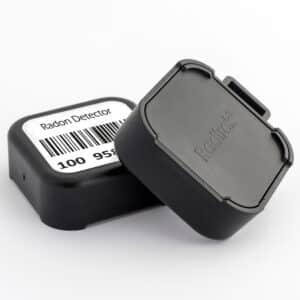
The most common and cost-effective option is a passive radon detector using track film. These detectors measure the average radon level over the entire test period. In homes, at least one detector should be placed in frequently used living spaces on each floor.
If the property has a basement, detectors should also be placed there. Radon detectors must remain in the same position throughout the test period and are sent to a laboratory for analysis once the measurement is complete.
Electronic radon monitors are another option. These devices provide continuous readings and allow you to track radon levels in real time. Many electronic monitors also measure temperature and humidity, helping you understand how indoor conditions affect radon levels. They are suitable for both short-term and long-term monitoring and offer immediate access to data.
Choose the testing method that best fits your needs and level of detail required. Both options provide valuable insight when used correctly.
Radon testing in water
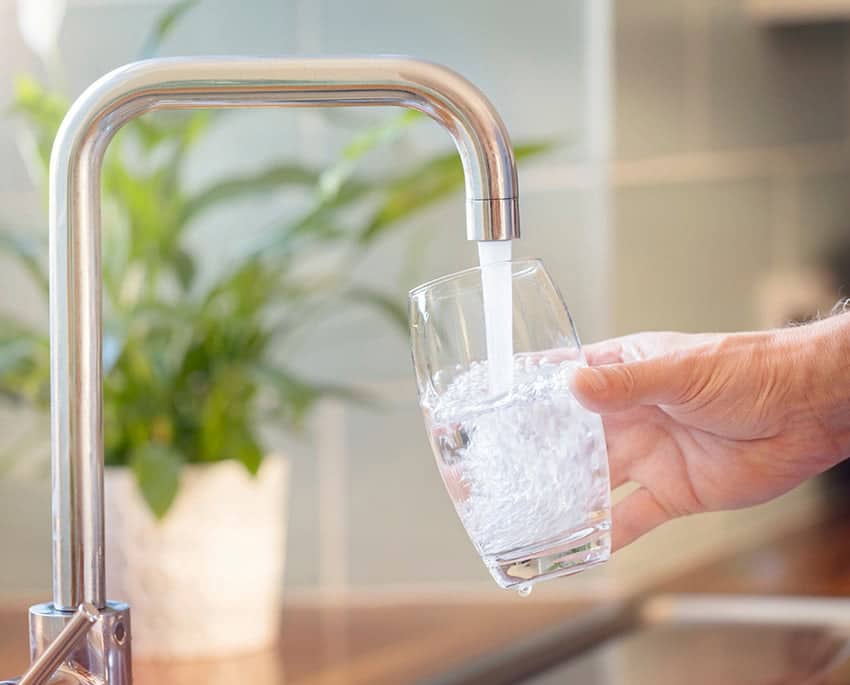
In the UK, radon in drinking water is generally not a concern for homes connected to the public water supply, as monitoring is handled by the water provider.
Elevated radon levels may occur in private water supplies, such as boreholes or wells, particularly in areas with higher radon potential. In these cases, radon from water can be released into indoor air during normal use, for example when showering or bathing. Exposure from inhalation is usually much greater than from drinking the water.
A standard long-term radon test in indoor air will indicate whether radon from a private water supply is contributing to higher indoor levels. If results are elevated, further water testing may be recommended to confirm the source.
Measure the radon concentration
View all our products-
Radon measurement (min 2 detectors)
These UKHSA approved radon measurement kits provide you with the recommended 90 day radon gas measurement and report containing the seasonally adjusted average. We only supply measurement detectors from a UKHSA approved and also ISO accredited laboratory. A kit contains minimum 2 detectors, to be placed in the two most used rooms (typically bedroom and living room/kitchen).55.00 £ -
Radon screening test (min 2)
UKHSA recommends a measurement period of 3 months for radon gas but with our screening test, you'll get an indication of whether you may have too high a level of radon in just 10 days. We offer the only ISO accredited short term test on the market.85.00 £