Free deliveries for orders over £50
 info@agx-nordic.co.uk
 07709 389021

Is green mould a common issue?
Green mould in the home is a common problem often confused with algae or other types of mould. Although green mould is well-known from certain foods, such as blue cheese, it is entirely different when it appears in your home.
It can cause both health issues and structural damage, making it important to understand what it is, how it spreads, and how to handle it.

What is green mould and where does it come from?
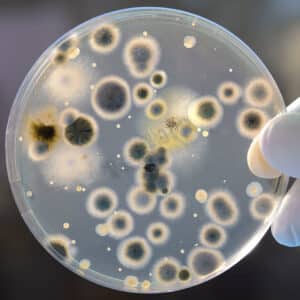
Green mould is not a single species but a collective term for mould fungi that appear in green shades. Many mould fungi, such as those from the Penicillium and Aspergillus genera, can show green colours depending on the environment and growth conditions. Green mould in the home can also be a mixture of various mould types, making identification difficult without thorough analysis.
Green mould typically grows in damp, poorly ventilated areas like basements, kitchens, bathrooms, or attics. It is especially common on walls, ceilings, grout, or furniture exposed to moisture for extended periods.
Does green mould cause health problems?
Yes, green mould can be hazardous, especially if it persists and grows extensively. Most mould fungi, including Penicillium and Aspergillus, produce mycotoxins, which are toxins that can cause severe health problems. Prolonged exposure to these toxins may lead to:
- Respiratory issues and asthma
- Allergic reactions such as itching, sneezing, and watery eyes
- Headaches and fatigue
- Pneumonia in severe cases
Therefore, it’s crucial to address green mould promptly and resolve the underlying moisture problem.

How to remove green mould in your home
To remove green mould and prevent its return, follow these steps:
- Identify the moisture source: Green mould commonly develops where there is excess moisture. Start by locating and fixing any leaks or poor ventilation in the area.
- Use mould cleaning agents: There are effective products for removing green mould, both natural and chemical. Vinegar and baking soda are good for treating surface mould, while stronger mould remediation products may be necessary for deeply rooted mould.
- Ventilate and dry: To prevent mould returning, ensure the room is well ventilated and dry. Consider using a dehumidifier to keep moisture levels in check.
- Replace damaged materials: If mould has penetrated materials like wood or drywall, it may be necessary to replace the affected areas because mould can grow deep inside.
Also use a mould test to check the mould if you’re unsure.
How to prevent green mould in your home
To help prevent green mould, consider these key actions:
- Ensure good ventilation: Install and use ventilation systems or bathroom fans to remove moist air. Regularly open windows to let in fresh air.
- Use a dehumidifier: Keep humidity levels low and prevent mould growth by using a dehumidifier in damp areas like basements or bathrooms.
- Keep surfaces dry: Wipe down damp surfaces, especially after showers or baths, to reduce mould risk.
- Inspect and repair leaks: Fix any leaks in roofs, walls, and plumbing to eliminate moisture sources that allow mould to thrive.
To monitor humidity, use a hygrometer to measure levels and keep them below 60%.

When to contact a professional for green mould help
If green mould has spread over large areas or you cannot control it on your own, it might be time to contact a professional mould expert. Experts can identify the source of moisture, safely remediate the mould, and advise on long-term solutions to keep your home mould-free.
Summary: prevent and remove green mould effectively
- Green mould is a type of mould fungus that thrives in moist environments and can cause health issues.
- To remove green mould, use natural cleaners like vinegar or baking soda, as well as professional mould remediation products.
- Prevent mould by ensuring good ventilation, keeping surfaces dry, and using a dehumidifier.
- If mould spreads or returns, consider contacting professional remediation services.
To measure moisture levels and prevent mould, use our moisture meters available in our webshop.
Buy a mould test
View all our products-
Surface mould test (min order 2)
The professional PRO-Clean enzyme test will give you a quick mould screening in just 5 minutes. The test works by measuring the protein in the mould. Contact us for discounts on larger quantities.15.00 £ -
Mould air test
If you suspect hidden mould growth, it is a good idea to perform a mould air test. Mould can thrive in concealed places behind panels, walls, and other hidden areas. NB! The test should be used as soon as possible after receipt, as it has a limited shelf life.33.99 £ -
Surface and air mould test bundle
Test for both visible, surface mould and invisible, hidden mould with this test kit. The Pro-Clean surface test pens will indicate if any visible mould is a problem and the air test plate will after 4 days show if there were an excessive amount of mould spores picked up from the air.59.99 £ -
Sale!
Sale!
Mould test kit
Test your air for mould and keep an eye on the humidity levels in your home with our promotional bundle.Original price was: 39.98 £.34.99 £Current price is: 34.99 £. -
DNA mould test
This test goes a step further than the mould air test with a lab report. By analysing the mould spores to a DNA level, different species can be identified and the report will specify up to 21 different species and how many were present in the sample. This is the most precise mould spore test on the market, using much more advanced scientific equipment to give you an insight into which spores are present in your indoor air.240.00 £