Free deliveries for orders over £50
 info@agx-nordic.co.uk
 07709 389021

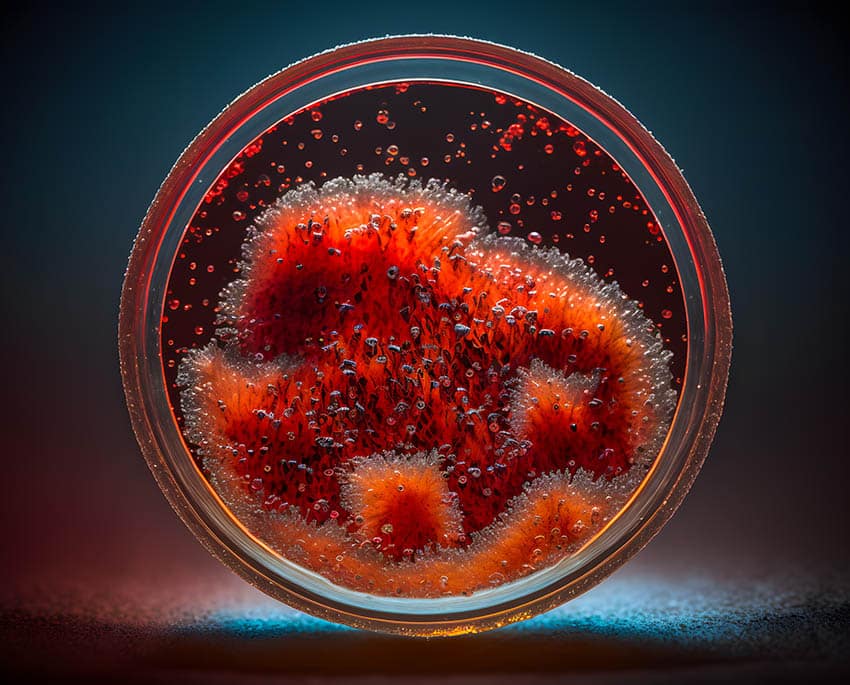
What is red mould
Red mould, also called red fungus, appears in shades of red, pink, or orange. It thrives in damp, poorly ventilated environments such as bathrooms, kitchens, basements, and laundry rooms. The mould can grow on tile, plasterboard, textiles, and wood where moisture collects.
Although it may look less alarming than black mould, red mould can still release spores that irritate the respiratory system and skin. Long-term exposure may worsen allergies or asthma.
If you suspect mould growth in your home, it is advisable to take a mould test to identify the type and extent of contamination.
Red mould in the shower and bathroom
Bathrooms are among the most common places for red mould to develop. Steam from showers and baths creates condensation on walls, ceilings, and grout, allowing spores to thrive.
You might notice reddish or orange patches around tile joints, silicone seals, or shower curtains. Keeping ventilation consistent, wiping down wet surfaces, and reducing humidity are key to preventing red mould in the shower and other bathroom spaces.
For more details on humidity control and moisture, read our guide on avoiding too much moisture.
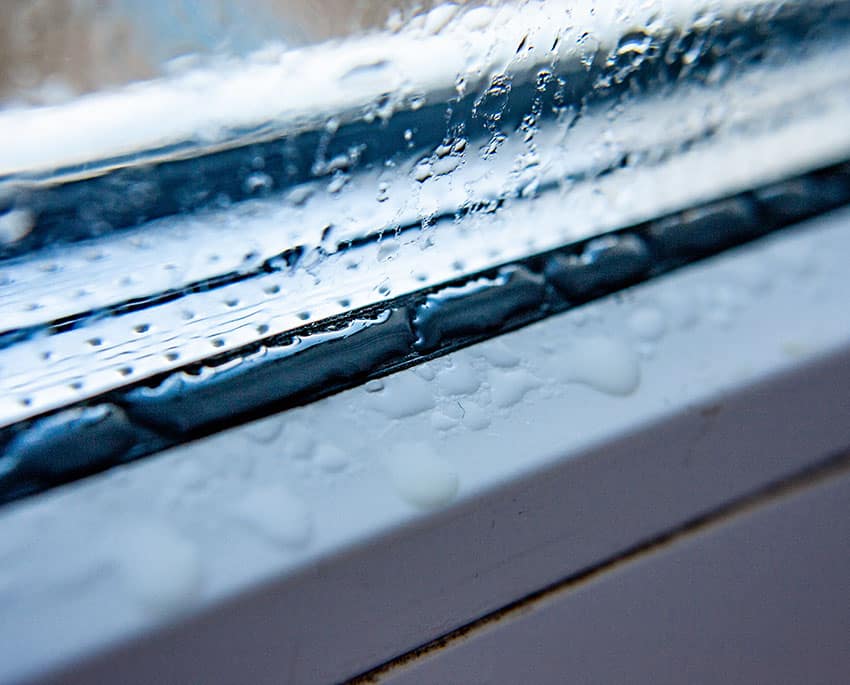
Red mould on walls and other surfaces
Red mould on walls often indicates trapped moisture or insufficient insulation. It can appear behind furniture or wallpaper where air circulation is limited.
Regular inspections and humidity checks help prevent mould from spreading. Using hygrometers and moisture meters can make it easier to detect dampness before it becomes visible.
Red mould on food and plants
Red mould can sometimes appear on food such as bread or fruit when stored in warm, humid environments. It can also develop in flowerpots if the soil is overwatered or poorly ventilated.
If you find red mould in plant soil, remove the top layer and let it dry completely. Wash hands and tools thoroughly after handling contaminated soil to avoid spreading spores to other areas.

Health effects of red mould exposure
Exposure to red mould can lead to a range of health reactions depending on individual sensitivity. Common symptoms include sneezing, coughing, watery eyes, skin irritation, and breathing difficulties. Prolonged exposure can worsen asthma or trigger allergic reactions.
People with respiratory conditions or weakened immune systems are more likely to experience discomfort when exposed to mould spores. If symptoms persist, consult a healthcare professional for advice.
For general information about mould and its health impact, visit our mould encyclopedia.
Preventing red mould
Prevention is the most effective way to protect your home and wellbeing. Keep air flowing, open windows regularly, and use extractor fans in bathrooms and kitchens. Wipe down wet areas promptly and avoid overwatering houseplants.
Strong mould prevention habits help maintain a dry and healthy home environment while reducing the risk of costly repairs. For more advice, see our page on preventing mould.
If you need further guidance or suspect a larger mould problem, you can always reach out via contact us.
Buy a mould test
View all our products-
Surface mould test (min order 2)
The professional PRO-Clean enzyme test will give you a quick mould screening in just 5 minutes. The test works by measuring the protein in the mould. Contact us for discounts on larger quantities.15.00 £ -
Mould air test
If you suspect hidden mould growth, it is a good idea to perform a mould air test. Mould can thrive in concealed places behind panels, walls, and other hidden areas. NB! The test should be used as soon as possible after receipt, as it has a limited shelf life.33.99 £ -
Surface and air mould test bundle
Test for both visible, surface mould and invisible, hidden mould with this test kit. The Pro-Clean surface test pens will indicate if any visible mould is a problem and the air test plate will after 4 days show if there were an excessive amount of mould spores picked up from the air.59.99 £ -
Sale!
Sale!
Mould test kit
Test your air for mould and keep an eye on the humidity levels in your home with our promotional bundle.Original price was: 39.98 £.34.99 £Current price is: 34.99 £. -
DNA mould test
This test goes a step further than the mould air test with a lab report. By analysing the mould spores to a DNA level, different species can be identified and the report will specify up to 21 different species and how many were present in the sample. This is the most precise mould spore test on the market, using much more advanced scientific equipment to give you an insight into which spores are present in your indoor air.240.00 £