Free deliveries for orders over £50
 info@agx-nordic.co.uk
 07709 389021
How to identify black mould
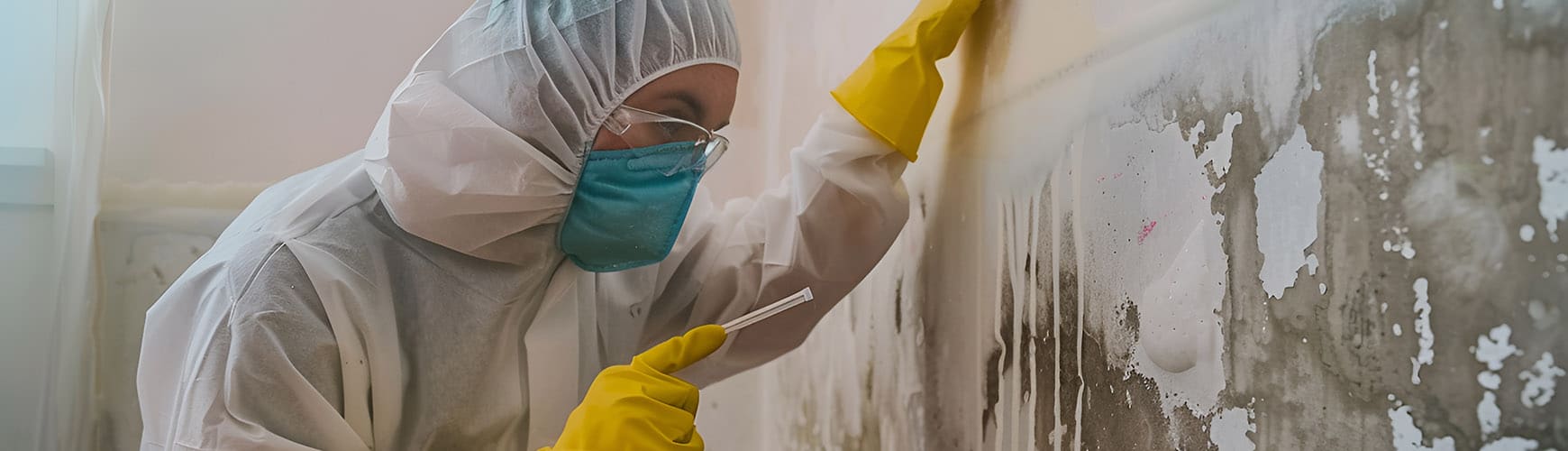
Recognising black mould early is crucial for effective removal. It can be difficult to distinguish black mould from other types of mould by sight alone, but there are key signs to look for. You can also test for mould with a mould test.
Black mould often appears as dark or black patches on surfaces such as wood, plasterboard or tiles. It is usually accompanied by a musty or earthy smell that signals a moisture problem.
Black mould typically grows in areas with high humidity, poor ventilation or water damage. Identifying these conditions allows you to take the first steps toward black mould removal before it spreads further.

Black mould in the bathroom
Bathrooms are the most common place for black mould to develop due to constant humidity from showers, baths and sinks. It often appears on tiles, grout, ceilings and walls. Besides being unsightly, black mould in the bathroom can cause health problems such as allergies and respiratory irritation.
To get rid of black mould in the bathroom, start by fixing the source of moisture. Leaking pipes, poor ventilation or condensation on cold surfaces can all lead to mould growth. Improve airflow with an extractor fan, use a dehumidifier and regularly wipe down damp areas. These steps are key to black mould prevention in bathrooms.

How to remove black mould yourself
Removing black mould at home is important for maintaining a safe and healthy indoor environment. Black mould, also known as black spots, can trigger allergic reactions, headaches and breathing difficulties. If black mould is not removed quickly, it can cause lasting damage and long-term health issues.
For small infestations, you can remove black mould yourself using a professional mould remover or a disinfectant such as Protox Hysan. Always wear gloves and a mask, ventilate the room and clean thoroughly.
If the affected area is large or the mould keeps returning, it is best to contact a professional mould remediation service to handle the removal safely and prevent further contamination.
How to remove black mould from wood
Black mould on wood is a common issue in homes with high humidity. It can damage wooden furniture, window frames and structural elements if ignored. To remove black mould from wood, wear protective gear, clean the surface with a suitable mould remover and allow the wood to dry completely.
Once cleaned, treat the surface with mould inhibitors and apply a mould resistant coating to prevent new growth. For detailed instructions and recommended cleaning products, see our guide on black mould on wood.

How to remove mould from fabric
Mould on fabrics and textiles not only looks unpleasant but can also cause allergic reactions. To remove mould from fabric, brush off loose spores outdoors, wash the fabric with detergent and warm water, and dry it completely in sunlight or a well-ventilated area.
If the smell of mould lingers, a mild vinegar solution can help eliminate odours and stop spores from returning. Prevent mould on fabrics by ensuring proper airflow in wardrobes and avoiding long-term damp storage.
How to remove black mould around windows
Black mould often appears around window frames and sills where condensation forms. This type of mould is both a visual and health concern, as it releases spores into indoor air.
To remove black mould from windows, use an effective mould remover spray and a soft brush to clean all affected areas. After cleaning, wipe the surface dry and improve insulation to reduce condensation.
For ongoing protection, apply a mould resistant paint or sealant around window frames. Read our full guide on black mould on windows for more detailed removal and prevention advice.

How to prevent mould from returning
Cleaning mould is only part of the solution. To prevent mould from returning, you must eliminate the underlying causes of moisture. Air out rooms daily, use extractor fans while cooking and dry clothes outdoors whenever possible.
Keeping humidity below 60 percent and fixing leaks promptly helps stop mould growth before it starts. Regular cleaning and using anti mould paint in damp rooms can provide long-term protection.
Preventing mould not only protects your health but also saves money by reducing the need for future remediation and repairs.
Buy a mould test
View all our products-
Surface mould test (min order 2)
The professional PRO-Clean enzyme test will give you a quick mould screening in just 5 minutes. The test works by measuring the protein in the mould. Contact us for discounts on larger quantities.15.00 £ -
Mould air test
If you suspect hidden mould growth, it is a good idea to perform a mould air test. Mould can thrive in concealed places behind panels, walls, and other hidden areas. NB! The test should be used as soon as possible after receipt, as it has a limited shelf life.33.99 £ -
Surface and air mould test bundle
Test for both visible, surface mould and invisible, hidden mould with this test kit. The Pro-Clean surface test pens will indicate if any visible mould is a problem and the air test plate will after 4 days show if there were an excessive amount of mould spores picked up from the air.59.99 £ -
Sale!
Sale!
Mould test kit
Test your air for mould and keep an eye on the humidity levels in your home with our promotional bundle.Original price was: 39.98 £.34.99 £Current price is: 34.99 £. -
DNA mould test
This test goes a step further than the mould air test with a lab report. By analysing the mould spores to a DNA level, different species can be identified and the report will specify up to 21 different species and how many were present in the sample. This is the most precise mould spore test on the market, using much more advanced scientific equipment to give you an insight into which spores are present in your indoor air.240.00 £